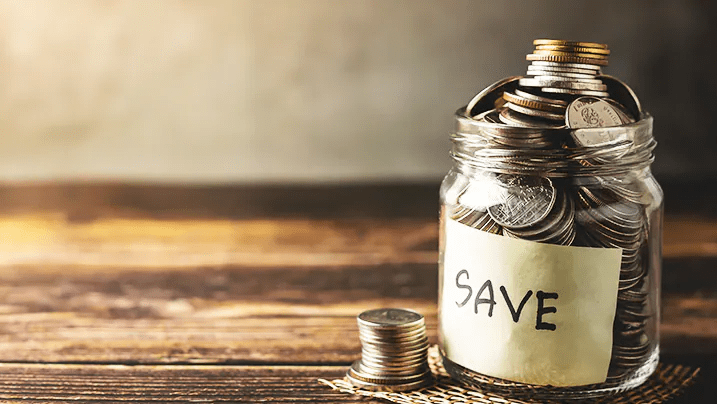
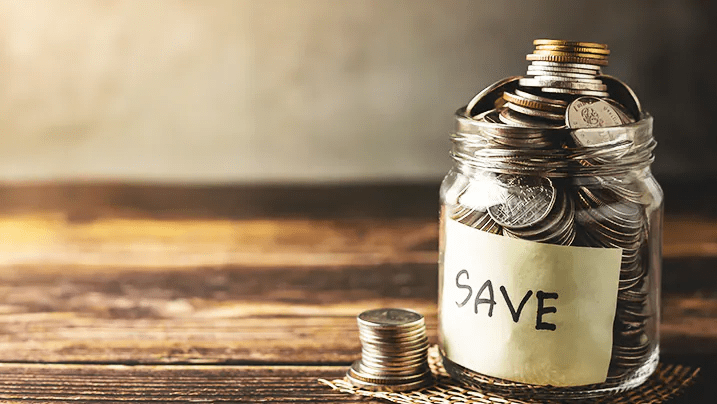
Saving is essential to personal financing, including investing, income, spending, protection, and other financial activities. Saving is the amount of money remaining after all expenses have been paid, and what we choose to do with it impacts our financial goals.
From a young age, my parents have told me to save money; they would always say, “Save!!! If you spend all you have today, there will be nothing left for tomorrow,” or my uncle once said, “You accumulate wealth by saving every penny you can.” All these are great pieces of advice to prepare me for today’s world, perhaps a lesson for the young brain to process at the time for the next phase of my financial journey.
As no two individuals are identical, so do our financial goals differ. For example, some people wish to make enough to maintain their current lifestyles, have rich financial freedom, retire early, or be wealthy. However, one thing for sure is that saving money in the bank alone may not be an ideal pathway to reaching your personal financial goal with today’s current economic uncertainties for two main reasons:
- The time value of money/Inflation
- Low savings return
The Time Value of Money
Inflation of goods and services prices supersede your return on Savings any financial institution offers. Also, the same amount of money is worth more today than tomorrow. For example, my personal savings account holds N50,000; the amount saved over ten years is far lower in today’s market because inflation has lost its purchasing power, and if invested, it could have yielded more interest.
Low Savings Return
A quick search on the web or financial ads that flood the media from Banks encourages the relevance of saving in high-yield savings, encouraging long-term savings and how to save. Still, a few evaluate the harmful vices your money is exposed to, like inflation and time. On the other hand, having a savings brings peace of mind, knowing that the amount of money deposited is always safe; thus, having emergency funds in a chequing or savings account is ideal to help with any unforeseen circumstances and uncertainties. For example, I try to make a few thousand, which differs depending on your lifestyle, for any expenses that may surface if my income should be free today.
My experience using a high-yield savings account was shocking, with some banks at 1.15% -4% depending on the package. When I got my T5 tax slip, I realized it was next to nothing compared to what my return would be, putting the money to work.
Finally, investing is the solution to growing your money and reaching your financial goals!
What is the highest return offered by your financial institution in a high-yield savings account?
Sources
Beck, L. (2023). Why Saving Money Doesn’t Actually Make You Rich. Yahoo Finance; Yahoo Finance. https://finance.yahoo.com/news/why-saving-money-doesn-t-194845371.html
Booth, L., Cleary, S., & Rakita, I. (2020). Introduction to Corporate Finance, 5th Edition. John Wiley & Sons.
IDFC. (n.d.). How to Save Money – 15 Tips for Saving Money. Idfcfirstbank. https://www.idfcfirstbank.com/finfirst-blogs/savings-account/how-to-save-money-for-future
Kenton, W. (2024). Personal Finance. Investopedia. https://www.investopedia.com/terms/p/personalfinance.asp#toc-what-is-personal-finance
Rennie, L. (2021). Is It Worth Putting Money In A Savings Account In Canada? Loans Canada. https://loanscanada.ca/saving/is-it-worth-putting-money-in-a-savings-account-in-canada/
TD. (n.d.). How to start saving money. http://Www.td.com. https://www.td.com/ca/en/personal-banking/advice/growing-money/how-to-start-saving-money
 universa insight